
Author: Alpha Wildlife
Credentials: NWCOA Certified Wildlife Control Operators
Description: Veteran-owned wildlife removal specialists serving TN, SC, & KY since 2018
Last Updated Date: January 23, 2026
Key Takeaways
- Bird droppings can pose health risks when large accumulations are disturbed, especially in enclosed spaces.
- Diseases like histoplasmosis and psittacosis are linked to contaminated bird droppings when spores become airborne.
- Bird droppings can corrode surfaces, clog drainage, and create liability hazards for businesses.
- Nuisance birds cause millions of dollars in property damage every year to roofs, machinery, automobiles, and more.
- Proper cleanup and professional bird control are essential for long-term prevention.
Bird droppings aren’t just an eye sore for homeowners and business owners. When you have a significant build-up of droppings on rooftops, HVAC units, attics, warehouses, and parking lots, they can cause significant property damage and become health risks for humans.
If you are a Tennessee homeowner, property manager, or business owner, here are some facts about bird droppings and what you should do next.
Why Bird Droppings are a Big Problem in Tennessee?
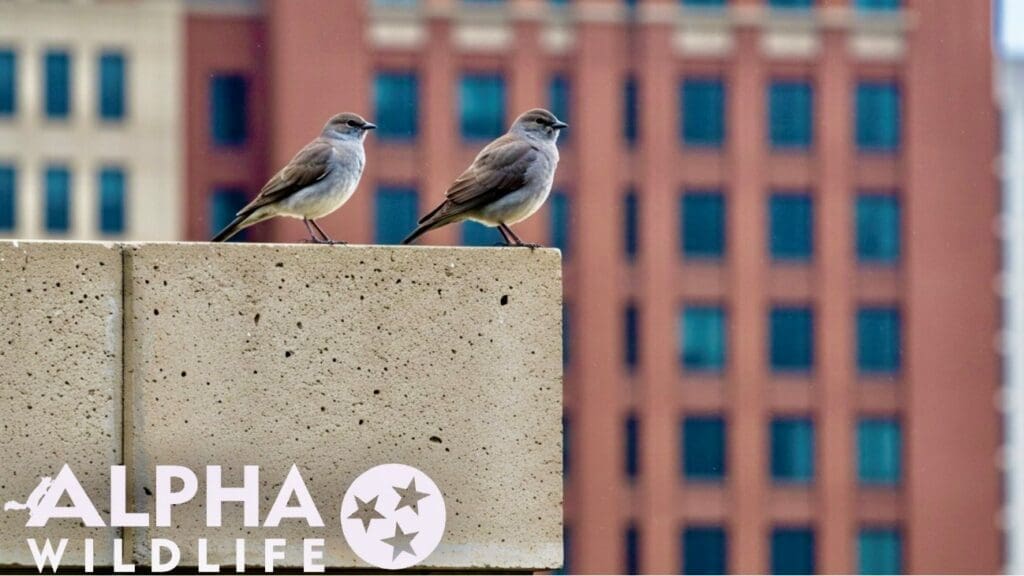
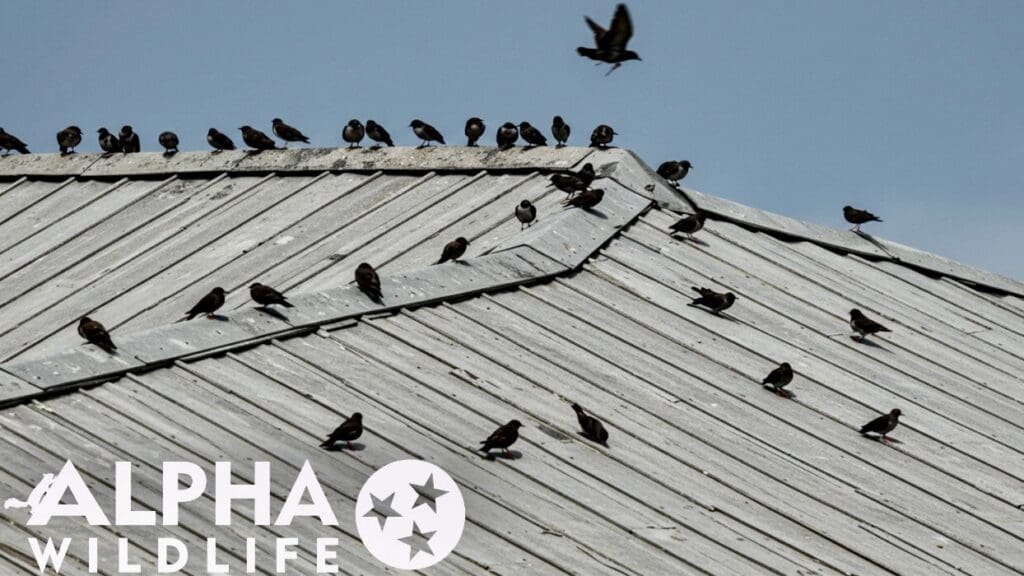
Bird droppings might seem like a small issue, but they can cause major health risks if you are not careful. In fact, in December 2025, the Tennessee Health Alert Network Advisory issued a statement warning of an increase in histoplasmosis cases in Maury County and Williamson County, TN.
Tennessee health guidance has specifically noted that histoplasmosis is acquired by inhaling spores from soil contaminated with bird or bat guano, and that activities like clearing roost areas are commonly associated with exposure.
This disease can turn into a long-term lung infection for those with weakened immune systems, so it is important to stay away from bird droppings
Health Risks Associated with Bird Droppings
1) Histoplasmosis (lung infection)
According to the Center for Disease Control and Prevention (CDC), histoplasmosis is lung infection that is caused by breathing in fungal spores (Histoplasma) which are found in soil contaminated with bird droppings. Histoplasmosis symptoms are similar to the symptoms of pneumonia, such as fever, cough, chills, fatigue, and more.
In extreme cases, this disease can spread to the brain and spinal cord, but that is very rare.
The CDC recommends that large amounts of bird droppings be cleaned by professionals who specialize in hazardous waste removal.
2) Psittacosis (bacterial infection)
Psittacosis is a disease that typically infects more birds than it does humans. The CDC notes that Psittacosis is spread when humans inhale dust containing dried bird droppings.
The symptoms include dry cough, headache, muscle aches, fever, and chills.
To prevent the spread of Psittacosis, the CDC recommends you:
- Wash your hands with soap and water after touching birds and/or bird droppings
- Use disinfectants to clean bird cages
- Avoid vacuuming and dry sweeping of bird droppings
- Wear a mask and gloves while handling infected birds as well as their cages.
3) Cryptococcosis (fungal infection)
Cryptococcus is an infection that’s caused by breathing in fungal spores found in soil and bird droppings. Cryptococcus typically impacts people with weakened immune systems.
Can Birds Spread Salmonella?
Yes. In April 2021, there was a link between Wild Songbirds and birdfeeders with a salmonella outbreak across eight states.
The CDC has documented that people can get sick when they touch their mouth with unwashed hands after touching wild birds, bird feeders, bird baths, etc.
How Can Bird Droppings Damage Homes and Commercial Buildings?
Roof Damage & Paint Corrosion
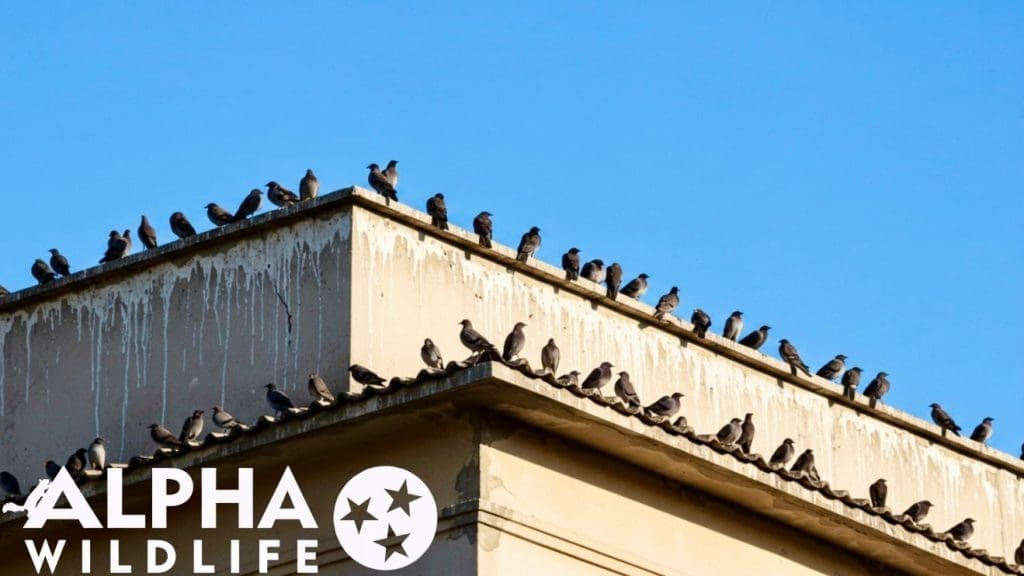
According to the International Association of Certified Home Inspectors (IACHI), acidic bird droppings can erode roofing materials which will shorten the overall lifespan of the roof and lead to increased maintenance costs.
Bird droppings can also corrode vehicle paint by eating into the protective coating and eventually the paint. The longer the droppings are left on the car, the more damage it will do to the paint.
Commercial & Residential Fire Damage
According to Bird Barrier, since bird nests consist of straw and twigs, they can cause residential or commercial fires if placed near electrical areas.
Slip Hazards and Liability for Businesses
Walkways, loading docks, stairs, and entryways coated in droppings can become slick, increasing slip-and-fall risk — a real concern for commercial properties.
The IACHI notes that commercial property owners may be prone to legal liabilities if they fail to prevent bird infestations.
Why is Bird Damage Common in Tennessee?
Tennessee has a mix of conditions that make bird issues persistent:
- Warehouses & loading docks (easy roosting)
- Bridges/overpasses & downtown ledges
- Older buildings with gaps, vents, and sheltered rooflines
- Construction/remodel activity, which can disturb contaminated dust and elevate exposure risk
Why Choose Commercial Bird Control Instead of DIY?
According to the National Institute for Occupational Safety and Health (NIOSH), the best way to prevent exposure to Histoplasma is to prevent the buildup of bird droppings in the first place.
Professional bird control companies can install prevention measures to permanently keep birds out of your home or building.
For Tennessee homes and businesses, long-term bird control usually includes:
- Inspection (where they’re roosting/nesting + why)
- Humane removal / eviction timing (especially during nesting season)
- Exclusion & proofing (seal gaps, protect vents/rooflines)
- Deterrents where appropriate (netting, ledge protection, etc.)
- Cleanup & sanitization (especially in enclosed/contaminated areas)
Alpha Wildlife offers bird removal services in Memphis, Nashville, Chattanooga, Knoxville, Columbia, Charleston, and Louisville. Call today for same-day scheduling!

Tennessee Bird Damage FAQs
Q: Are bird droppings dangerous?
A: Yes. Bird droppings can spread diseases, cause property damage, and lead to liability concerns for business owners.
Q: Can I power wash bird droppings off my building?
A: It can spread contamination and create aerosolized mist. If you’re dealing with heavy accumulations or enclosed areas, lean toward professional methods and proper controls.
Q: Can bird droppings damage my roof or siding?
A: Yes. Bird droppings are acidic and can erode roofing materials, stain siding, and degrade paint over time.
Q: Is it safe to clean bird droppings myself?
A: Heavy buildup, attic contamination, or commercial-scale infestations should be handled by professionals to avoid airborne exposure and further property damage.
Q: Why is professional bird control better than repeated cleanups?
A: Because professional bird control focuses on prevention, not just removal. Without exclusion and deterrence, birds will continue returning, increasing cleanup costs and property damage over time.
Q: How can Alpha Wildlife help with bird problems in Tennessee?
A: Alpha Wildlife provides humane bird removal, exclusion, and long-term prevention services across Tennessee, helping both homeowners and businesses protect their property safely and effectively.